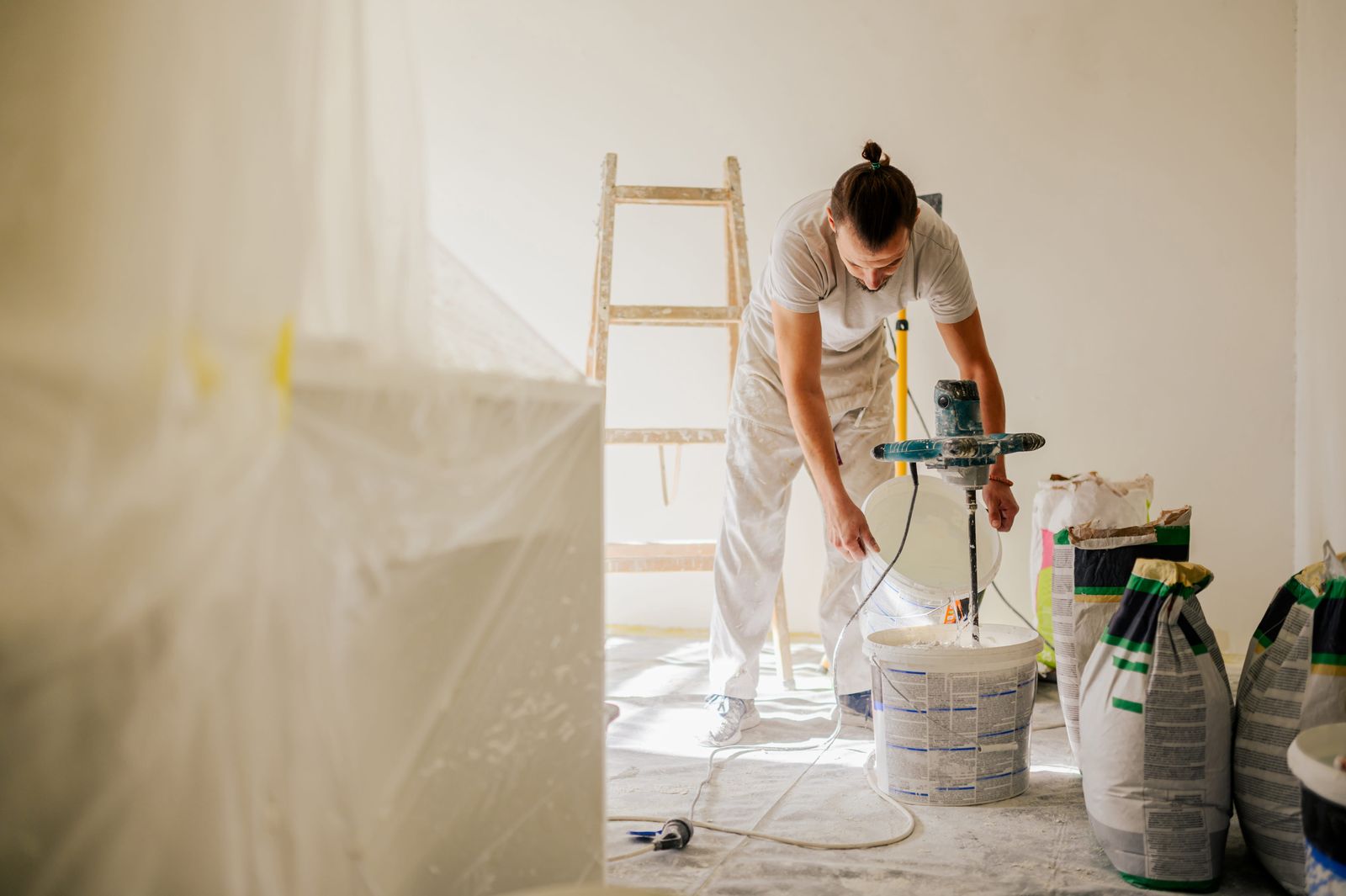
Ask ten South African painters which brand is best and you will get a fairly even split between two answers and a shrug. That shrug is the honest one. The decorative paint market here is genuinely competitive, the leading products are closer in performance than the marketing suggests, and the variable that actually determines how long your paint lasts is not printed on the tin.
This guide covers who makes paint in South Africa, how the main brands differ in practice, what you pay, what the recent lead regulations changed, and how to choose a system for a specific job rather than a brand for its own sake.
On this page
The uncomfortable part first
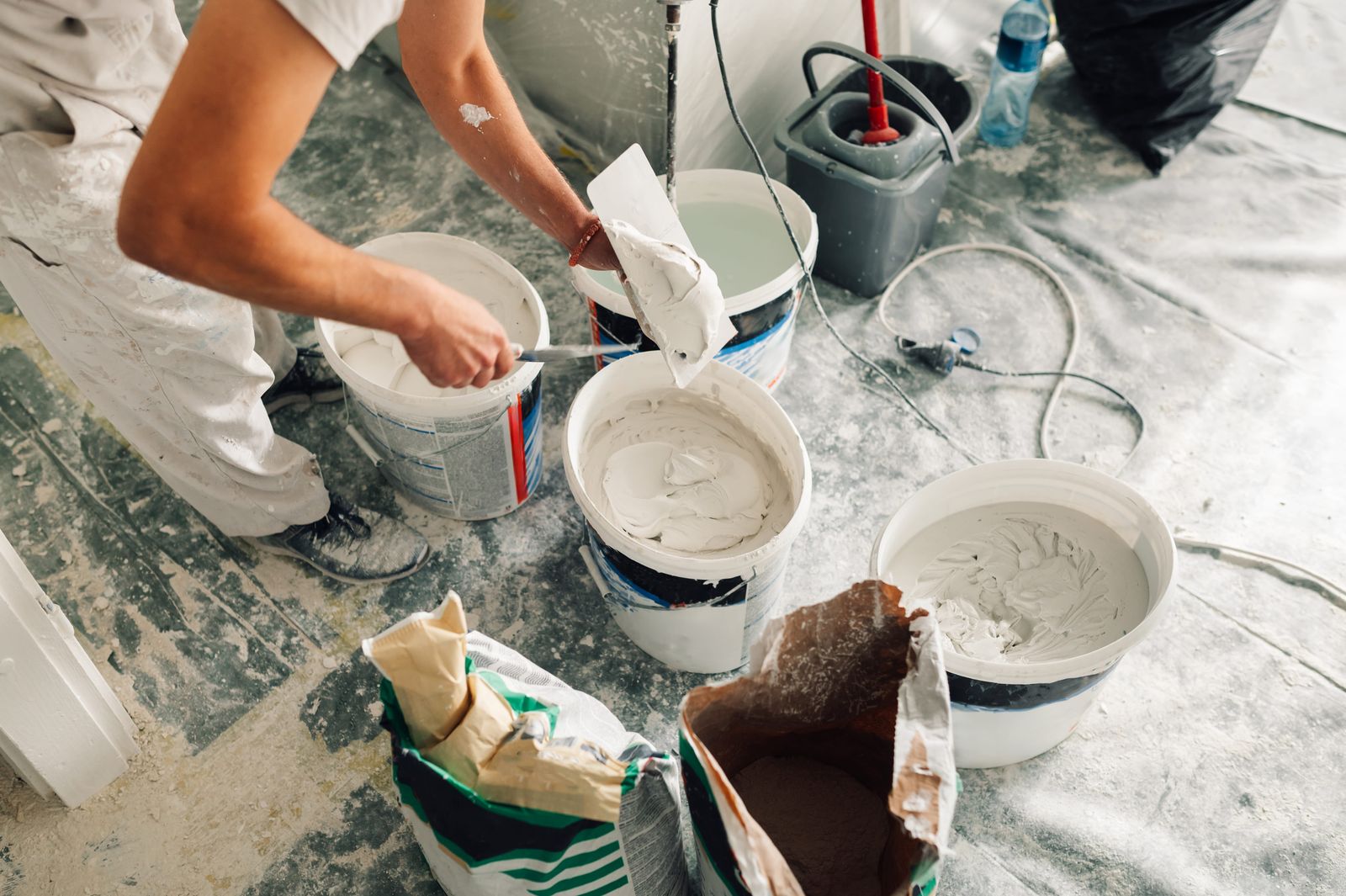
Application and surface preparation matter more than brand. A premium exterior paint applied over a chalking, unprimed wall will fail faster than a mid-range paint applied over a properly cleaned and primed one. If your budget is fixed and you have to choose between a better paint and better preparation, choose the preparation every time.
That is not an argument for buying the cheapest tin. It is an argument for being realistic about where the money goes. The brand debate is worth having once the surface underneath is sound — which is what our guide to preparing walls properly is about.
Key takeaways
- SAPMA describes itself as regulating more than 90% of all paint manufactured in South Africa.
- Since May 2024, South African regulation caps total lead in paint at 90 ppm.
- South Africa has test methods for VOC but no mandatory limit — "low VOC" is a voluntary claim.
- Spend up on exterior and roof; mid-range is fine for low-traffic interiors.
- SANS 10305-1 covers paint and paint selection if you want the formal reference.
Who makes paint in South Africa
The South African coatings market is dominated by two large groups — Kansai Plascon and AkzoNobel's Dulux — with a substantial mid-market around them including Prominent Paints, Duram, Medal, Universal, Paintcor and Prodec, plus specialist waterproofing brands such as a.b.e. and Sika.
The industry body is the South African Paint Manufacturers' Association, which describes itself as "the trade association that regulates more than 90% of all paint manufactured in South Africa."[1] SAPMA is worth knowing about for a practical reason: it runs a Guarantee Verification Scheme covering contractor members, designed to audit and verify them, which separates the product guarantee from the manufacturer and the service guarantee from the contractor of record. SAPMA also reports a memorandum of understanding with the Consumer Goods and Services Ombud.
One clarification, because it is often overstated: SAPMA is a trade association, not a standards-setting body. Its Code of Conduct requires members to comply with applicable laws and industry standards rather than writing those standards itself. The formal standard for paint selection in South Africa is SANS 10305 Part 1.[2]
The main brands compared
| Brand | Known for | Typical use |
|---|---|---|
| Plascon | Strong exterior range; Double Velvet and Micatex are long-standing favourites; Nuroof for roofs | Premium interior and exterior, roof coatings |
| Dulux | Wide interior range, strong colour offering, Weathershield and Weatherguard exteriors | Interior and exterior, good availability |
| Prominent | Solid mid-market performance, competitive per litre | Larger areas where budget matters |
| Duram | Reputation in waterproofing and roof products | Roofs, waterproofing, exterior |
| Medal / Universal / Paintcor | Competitive mid-market ranges | General residential work |
In practice, the two majors publish very similar application specifications. Plascon's Polvin data sheet gives a surface temperature range of 10–40°C and relative humidity of 10–85%; Dulux Trade Weathershield gives 10–35°C and the same humidity band.[3][4] When two competing manufacturers independently specify the same envelope, that tells you the chemistry is comparable and the difference is at the margins.
Where you do see real differences is in specific product lines rather than brands as a whole — a manufacturer's premium exterior range against its own budget range is usually a bigger gap than one brand's premium against another's.
What you actually pay
| Tier | Published price per 5L | Sensible use |
|---|---|---|
| Budget | R160 – R240 | Rental turnarounds, spaces due to change soon |
| Mid-range | R280 – R420 | Low-traffic interiors, ceilings |
| Premium exterior | R420 – R650 | Sun-exposed exterior walls |
| Roof / waterproofing | R480 – R750+ | Roofs, parapets, exposed horizontal surfaces |
| Plaster primer (20L) | R500 – R1,000 | New plaster, bare substrate |
On a full exterior repaint the gap between budget and premium is real money. It is also the line most likely to be quietly downgraded in a cheap quote, which is why a quote should name the product range rather than just the brand. See our guide to house painting costs for how this fits into the total.
What the 2024 lead regulations changed
This is the most significant regulatory change in South African decorative paint in years, and most homeowners have not heard about it.
In May 2024 the Department of Health published Regulations Relating to Lead in Paint or Coating Materials, Notice 4832 in Government Gazette 50665, made under section 29(1) of the Hazardous Substances Act, 1973.[5] The regulations limit total lead to 0.009% — 90 ppm — of the dried paint film, and apply to the manufacture, sale, distribution, import and export of all paints. The substantive provisions took effect one year after publication, with labelling provisions following a year after that. Manufacturers and importers are required to issue a lead-content compliance declaration and publish it.
The previous threshold, set in 2009, was 600 ppm. The new limit is therefore roughly a sixty-fold tightening.
What this means for an older home. The regulation governs paint sold now — it says nothing about coatings already on your walls. If your house is old enough to have original paintwork and you are sanding or stripping it, treat the dust as something to contain rather than sweep up: wet-sand where practical, keep children and pets clear of the work area, and bag the debris rather than brushing it into the garden.
"Low VOC" in South Africa means less than you think
Volatile organic compounds are the solvents that evaporate as paint dries — the source of that strong smell in a freshly painted room. Lower VOC content generally means less odour and better indoor air quality while curing.
Here is the part worth knowing: South Africa has adopted standard methods for measuring VOC content, but no mandatory VOC limit for architectural paint. SANS 11890 Parts 1 and 2 cover the difference method and the gas-chromatographic method for determining VOC content.[6] Those are test methods — they tell you how to measure, not what the ceiling is.
The practical consequence is that a "low VOC" claim on a South African tin is a voluntary manufacturer claim rather than a regulated category. That does not make it false, and water-based acrylics genuinely are far lower in VOC than the solvent-based enamels they largely replaced. But it does mean the phrase is not standardised between brands, and comparing two "low VOC" claims is not comparing like with like unless both publish an actual figure.
If indoor air quality matters to you — a nursery, an asthmatic household, a room that cannot be ventilated well in winter — ask for the measured VOC content in g/L from the technical data sheet rather than relying on the front-of-tin claim.
Choosing a system for the job
The useful question is not "which brand" but "which system for this surface". Here is how we specify:
| Where | What matters most | Worth spending up? |
|---|---|---|
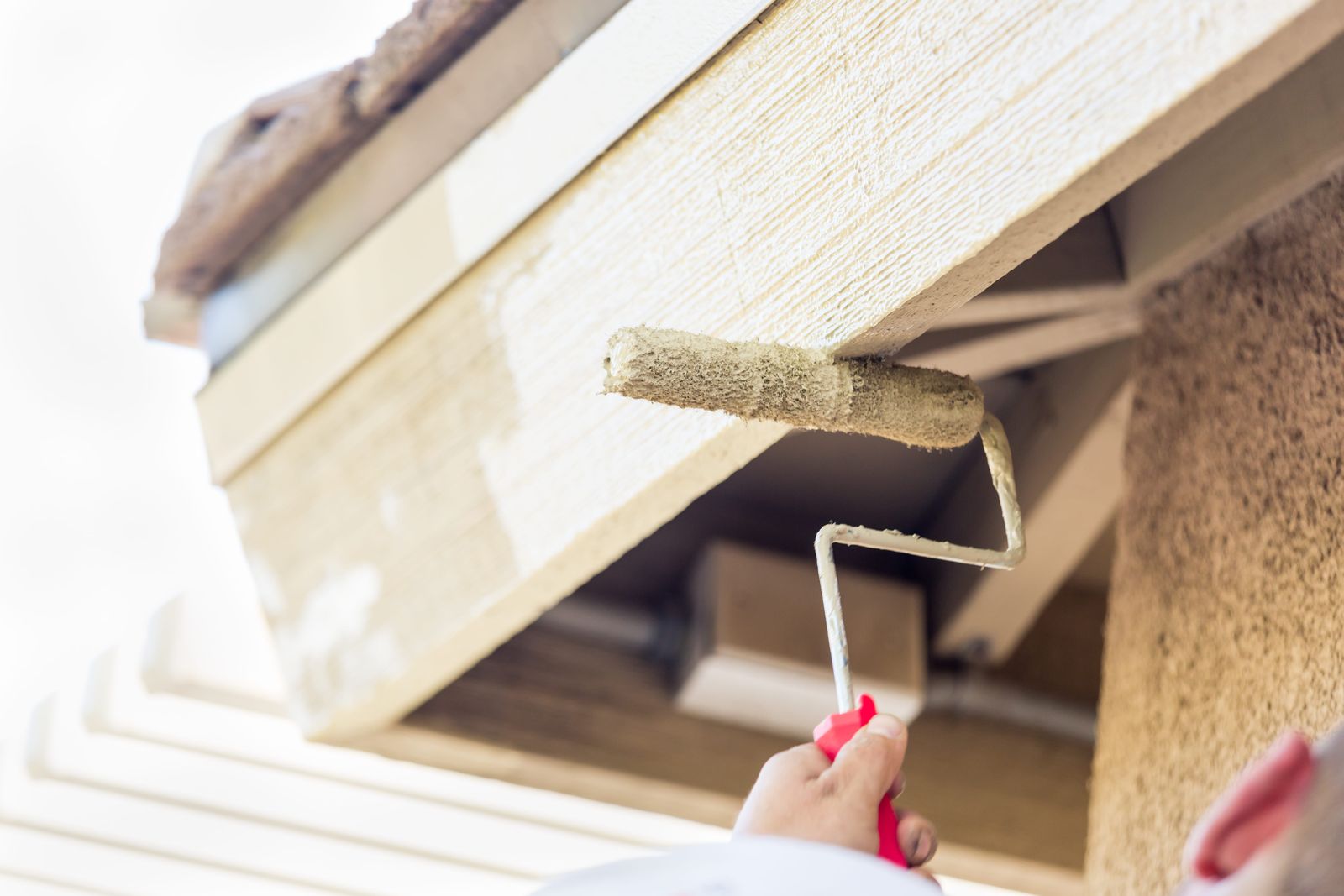
| North/west exterior walls | UV stability, flexibility, colour retention | Yes — this is where premium earns its price |
| Shaded south walls | Mould and algae resistance | Yes, but for a different property |
| Hallways, kitchens, kids' rooms | Washability, scrub resistance | Yes — mid to upper range |
| Bathrooms | Mould-resistant formulation | Yes |
| Bedrooms, low-traffic interiors | Coverage and finish | Mid-range is fine |
| Ceilings | Coverage, low spatter | No — budget to mid is fine |
| Roofs | Dedicated roof coating plus correct primer | Yes — never substitute wall paint |
| Metal | Anti-corrosive primer | Non-negotiable |
Buying one tier up on exterior and roof products, and mid-range for low-traffic interiors, is usually the best value split for a Gauteng home. It puts the money where the Highveld sun is actually doing damage.
On long warranties
Ten and fifteen-year exterior guarantees are common marketing. Read what they cover before you weight your decision on them.
Most long exterior warranties are conditional on the surface having been prepared and primed to the manufacturer's specification. In practice that means the guarantee depends on the quality of the preparation — which is the contractor's work, not the manufacturer's. This is precisely the gap that SAPMA's Guarantee Verification Scheme is designed to address by separating the product guarantee from the service guarantee.[1]
If a long warranty matters to you, ask two questions: what preparation does the warranty require, and is the contractor prepared to certify in writing that they did it?
Frequently asked questions
Which is better, Plascon or Dulux?
Both are capable products from the two largest groups in the South African market, and for most residential work the practical difference is small. Plascon's exterior lines have a strong reputation among South African trade painters; Dulux offers a wide interior range and good availability. Many painters simply take whichever is better priced at the time.
Does expensive paint actually last longer?
Premium exterior paints generally carry better UV stabilisers and more flexibility, which matters under Highveld sun. But application and surface preparation have a bigger effect on lifespan than price. A premium paint over an unprimed, chalking wall will fail sooner than a mid-range paint over a properly prepared one.
What paint is best for exterior walls in Gauteng?
Prioritise a UV-stable, flexible exterior acrylic. Intense summer ultraviolet is the dominant degradation factor on the Highveld and it is what causes cheaper paints to chalk and fade. On shaded south-facing walls, mould and algae resistance matters more than colour retention.
Is low-VOC paint regulated in South Africa?
No. South Africa has adopted SANS 11890 test methods for determining VOC content, but there is no mandatory VOC limit for architectural paint. A "low VOC" claim is therefore voluntary. Ask for the measured g/L figure from the technical data sheet if it matters to you.
Is lead still used in South African paint?
Not at meaningful levels in paint sold today. Regulations published in May 2024 under the Hazardous Substances Act limit total lead to 90 ppm, tightened from the previous 600 ppm threshold. Older coatings already on walls are a separate question — take dust precautions when sanding an old home.
Are 10-year paint guarantees worth anything?
Read the conditions. Most long exterior guarantees require that the surface was prepared and primed to the manufacturer's specification, so the guarantee effectively depends on the contractor's preparation. Ask what the warranty requires and whether the contractor will certify they met it.
Conclusion
If you want a short version: pick either major brand, spend up on exterior and roof products, spend sensibly on interiors, and put the money you save into preparation. The difference between Plascon and Dulux on a well-prepared wall is small. The difference between a well-prepared wall and a poorly prepared one is the whole job.
And when you are comparing quotes, insist the product range is named in writing. "Good quality paint" is not a specification, and it is the easiest place for a cheap quote to hide.
Sources & references
- South African Paint Manufacturers' Association (SAPMA) — industry coverage and the Guarantee Verification Scheme — sapma.org.za
- South African Bureau of Standards, SANS 10305-1:2012 — Painting of buildings Part 1: Paint and paint selection — store.sabs.co.za
- Plascon, Polvin technical data sheet (TDS 71) — application temperature and humidity specification — plascon.co.za
- Dulux Trade, Weathershield Smooth technical data sheet (AkzoNobel) — application temperature and humidity specification — akzonobel.com
- Department of Health, Regulations Relating to Lead in Paint or Coating Materials, Notice 4832, Government Gazette 50665, 17 May 2024, under the Hazardous Substances Act 15 of 1973 — 90 ppm total lead limit — gov.za
- South African Bureau of Standards, SANS 11890-1 — Paints and varnishes: Determination of volatile organic compound (VOC) content (test method, not a limit) — store.sabs.co.za
Prices quoted in this guide are published market ranges from South African quoting platforms, not regulated figures. They are included so you can sanity-check a quote, and will vary by property, surface condition and specification.